
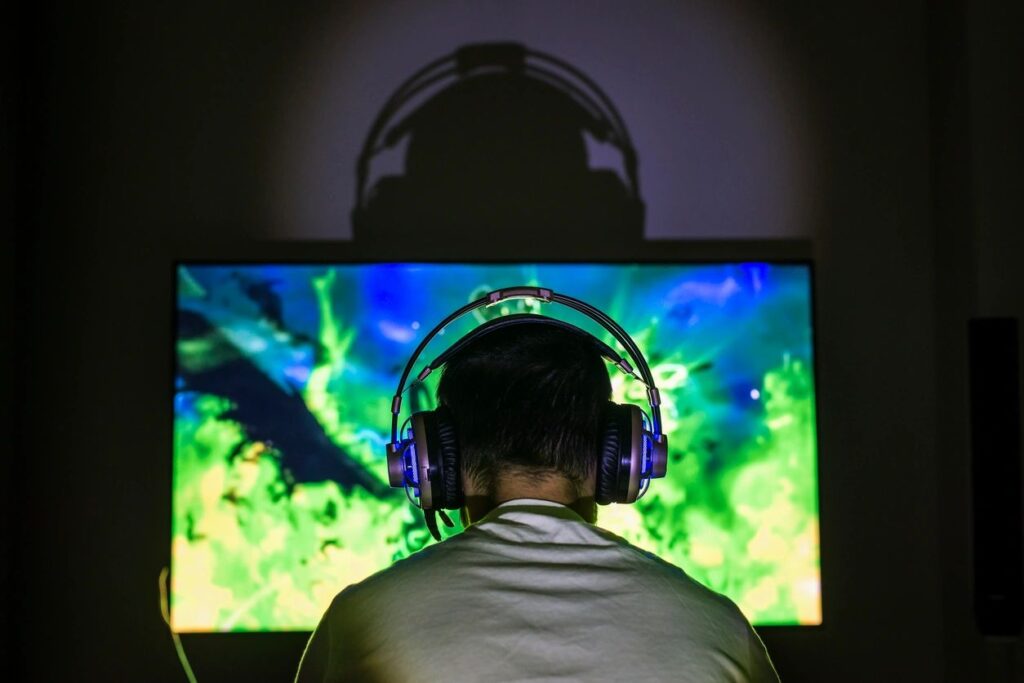
My journey to the game creation galaxy…
Basic Introduction to Game Creation
Game creation (or game development) is the process of designing, building, and polishing a video game. It involves creativity, problem-solving, and some technical skills — but beginners can start small and learn over time.
1. Core Parts of Game Creation
1. Game Design
This is the planning stage. You decide:
- What the game is about
- The story or theme
- Characters
- Rules and goals
- How the player interacts with the world
A Game Design Document (GDD) is often used to organize all ideas.
2. Art & Graphics
This includes creating:
- Characters
- Environments
- Animations
- User interface (buttons, menus, icons)
You don’t need to be an artist — you can use free assets or simple shapes at first.
3. Programming / Scripting
This is how you make the game work.
Code controls:
- Player movement
- Enemy behavior
- Physics
- Scoring
- Game logic
Game engines (like Unity or Godot) use simple scripting to help beginners.
4. Sound & Music
Games need:
- Sound effects (jumping, shooting, collecting items)
- Background music
- Voice lines (optional)
Sound adds emotion and atmosphere.
5. Testing
You test the game to find:
- Bugs (errors)
- Glitches
- Balance issues
- Player difficulty
Testing makes the game smooth and fun.
2. Tools Beginners Use
🟦 Game Engines
These make game creation easier:
- Unity — good for 2D & 3D, huge community
- Godot — free, small, beginner-friendly
- Unreal Engine — powerful 3D engine for high-quality games
- Scratch — perfect for kids & beginners
🟩 Art Tools
- Aseprite (pixel art)
- Krita (free)
- Photoshop
- Blender (3D modeling)
🟧 Sound Tools
- Audacity (free audio editor)
- Bfxr (simple retro sound effects)
3. Start Small
Beginners usually start with small projects like:
- Pong
- Flappy Bird
- Simple platformer
- Space shooter
Small games teach the basics without overwhelming you.
4. Skills You Develop
Game creation helps you learn:
- Creativity
- Logic and problem solving
- Coding basics
- Art and animation
- Teamwork (if building with others)
5. Simple Game Development Workflow
- Idea → Come up with a concept
- Design → Write down rules and features
- Prototype → Create a quick, simple version
- Build → Add art, mechanics, levels
- Test → Fix problems
- Release → Publish to itch.io, Google Play, Steam (optional)